Understanding Dog Breeds
Dogs have lived with humans for thousands of years, evolving into one of the most diverse species on the planet. Today there are more than 400 recognized dog breeds, each shaped through centuries of adaptation, purpose-driven breeding, and human preference. Understanding the differences between small dog breeds, medium dog breeds, and large dog breeds can help future dog owners choose the perfect companion that fits their lifestyle, space, and activity levels.
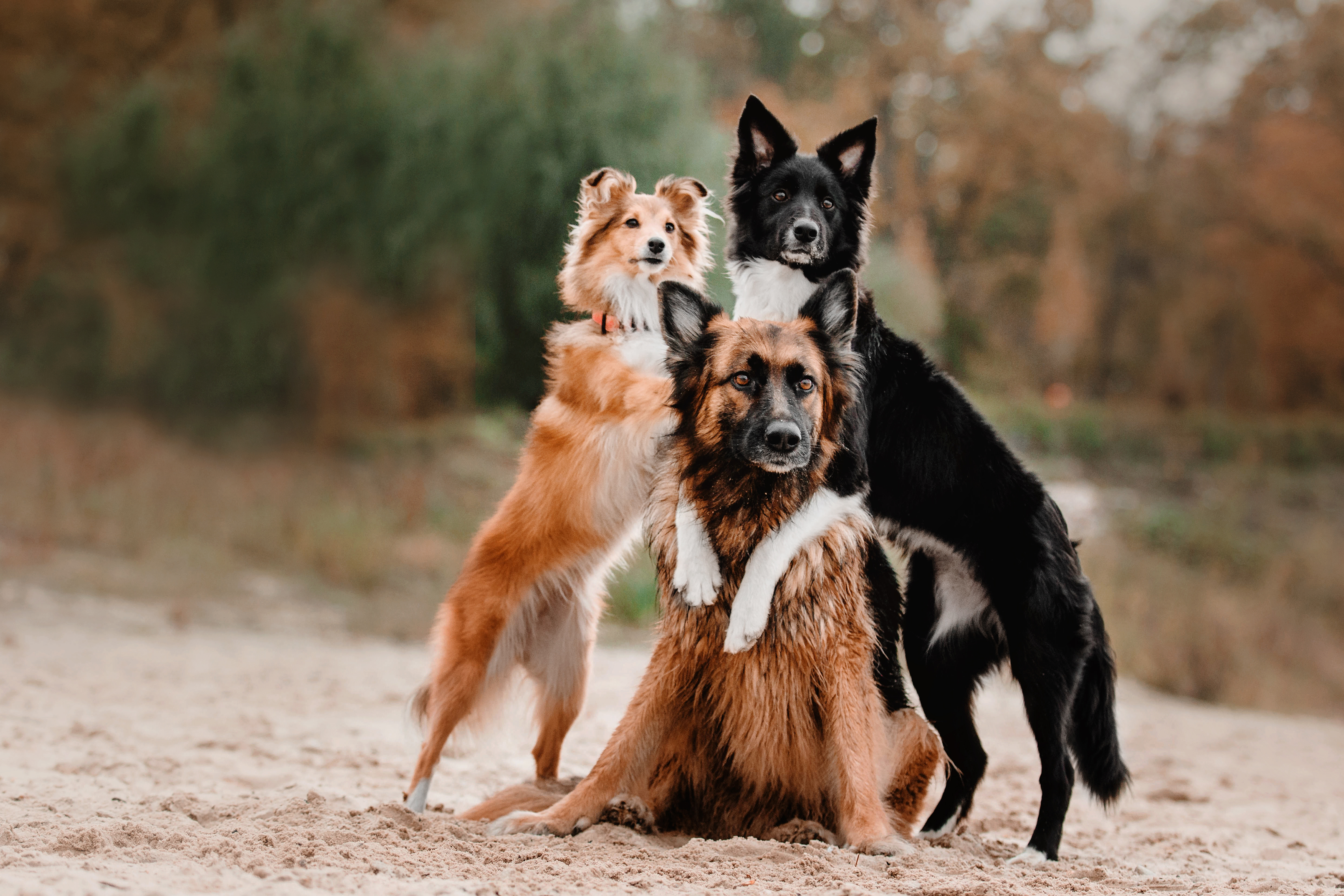
Why Dog Size Matters
Dog size affects everything from diet and exercise needs to lifespan and temperament. While appearance is important, the true decision comes from how well a breed?s characteristics fit your daily life. Families with young children may prefer gentle and stable big dog breeds, while apartment dwellers often love compact and low-maintenance small dog breeds. Meanwhile, active individuals appreciate versatile medium dog breeds that balance agility and trainability.
Small Dog Breeds
Small dog breeds are adored for their compact size, portability, and charming personalities. Many of them thrive in small homes, require less food, and have surprisingly big hearts despite their miniature bodies. Popular examples include the Chihuahua, Pomeranian, Yorkshire Terrier, Shih Tzu, and French Bulldog.
Characteristics
- Ideal for apartments and small spaces
- Often require shorter exercise sessions
- May have long lifespans
- Can be nervous or barky without proper training
Best For
Busy people, first-time dog owners, seniors, or anyone living in an urban environment.
Temperament
Small breeds tend to be affectionate, alert, playful, and sometimes stubborn. Many form extremely close bonds with their owners.
Medium Dog Breeds
Medium dog breeds offer one of the best balances in the canine world. It?s no surprise they are popular among families, outdoor enthusiasts, and people seeking a versatile companion. These breeds include the Border Collie, Australian Shepherd, Bulldog, Beagle, and Cocker Spaniel.
Characteristics
- Balanced energy levels
- Perfect size for homes with yards
- Highly trainable
- Great for active families
Best For
Active individuals, families with kids, people who enjoy outdoor activities or sports with their pets.
Temperament
Medium breeds vary widely. Working breeds like the Border Collie are extremely intelligent, while scent hounds like the Beagle are friendly and independent.
Large Dog Breeds
Large dog breeds are known for their loyalty, strength, and calm presence. These dogs make excellent companions for families with space and time to accommodate their needs. Popular breeds include the Golden Retriever, German Shepherd, Labrador Retriever, Bernese Mountain Dog, and Rottweiler.
::contentReference[oaicite:4]{index=4}Characteristics
- Require more food and space
- Often have gentle and stable temperaments
- Great for families and outdoor activities
- May have shorter lifespans
Best For
People with large homes or yards, families with children, individuals who want a protective yet loving companion.
Temperament
Large breeds tend to be gentle, intelligent, patient, and dependable. Many are excellent with children and other animals when trained well.
Big Dog Breeds: Living With Gentle Giants
Although similar in concept to large breeds, the term big dog breeds often refers to dogs that are exceptionally strong, tall, or heavy. These include the Mastiff, Great Dane, Saint Bernard, Newfoundland, and Irish Wolfhound.
Characteristics
- Massive size and impressive builds
- Usually calm and slow-paced indoors
- Require proper training from early age
- Need strong structure and joint care
Living With Giant Dogs
Despite their size, most giant dogs are quiet and gentle. However, they need strong training foundations, durable equipment, and regular vet care focused on joints and mobility.
How To Choose the Right Dog Breed
Choosing the right dog is not about picking the cutest breed but about matching your lifestyle, space, activity levels, and long-term commitment. When deciding between small, medium, or large sizes, consider factors like your daily schedule, your home?s layout, and the amount of exercise you can reliably provide.
Key Questions to Ask
- How much time can I dedicate to exercise?
- Do I live in an apartment, house, or rural area?
- Do I have children or other pets?
- How active am I daily?
- Do I want a calm companion or an energetic playmate?
By answering these questions, you can narrow down your ideal dog size category and explore breeds with matching energy and temperament.
Health, Exercise, and Care Tips
Small Breeds
They need short but frequent walks, protection from cold weather, and dental care. Some are prone to dental issues and patella problems.
Medium Breeds
They usually require regular exercise, mental stimulation, and balanced diets. Working breeds benefit from structured activities like agility.
Large and Big Breeds
They grow quickly and need controlled diets to prevent joint issues. Regular vet checkups, orthopedic beds, and proper training are essential.
Final Thoughts
The world of dog breeds is incredibly rich and diverse. Whether you prefer lively and compact small dog breeds, well-balanced and intelligent medium dog breeds, dependable and loving large dog breeds, or the majestic presence of big dog breeds, there?s a perfect dog waiting to become part of your life. Understanding their differences helps every future owner make a thoughtful and responsible decision that will lead to a lifetime of joy, loyalty, and companionship.